Written by DLC Decorating Ltd
Reviewed from the perspective of David Churchill and the DLC Decorating team, combining practical knowledge gained from over 30 years of residential, commercial, interior, and exterior decorating projects across Surrey, South London, and West London.
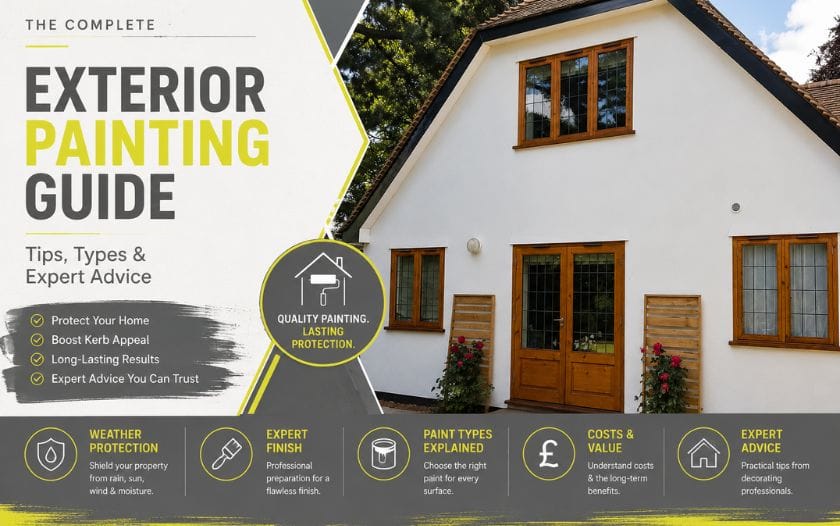
If you’re planning to paint the outside of your home, you may be wondering where to start. Homeowners often have questions about the preparation required, the best type of exterior paint to use, the right time of year to paint, and how long the finish should last.
The short answer is that a long-lasting exterior paint finish starts with proper preparation. Before any paint is applied, the condition of the surfaces, the products selected, and the weather conditions all need to be carefully considered to achieve a durable finish.
Every property presents different challenges. Brick, render, timber, metal, and previously painted surfaces all require different preparation methods and paint systems. Choosing the right approach from the beginning helps achieve a better finish and avoid unnecessary problems.
At DLC Decorating, we provide professional exterior painting and decorating services across Surrey, South London, and West London. From our experience, taking the time to understand the property before work begins leads to better decisions and better results.
Key Takeaways
- Exterior painting is the process of applying protective and decorative coatings to the outside surfaces of a property to improve appearance and protect them from weather damage.
- Exterior painting can be used on surfaces such as render, brickwork, masonry, timber, exterior walls, doors, window frames, fascias, soffits, fences and other suitable outdoor surfaces.
- The main types of exterior paint include acrylic, latex, oil-based, elastomeric and masonry paint, with each suited to different exterior surfaces, weather conditions and durability requirements.
- The different signs your house may need exterior painting include peeling or flaking paint, fading colour, cracks, chalking, exposed timber, stains and surfaces that no longer repel moisture effectively.
What is Exterior Painting?
Exterior painting is the process of preparing, repairing, priming, and applying specialist weather-resistant coatings to the outside surfaces of a property. It helps improve the appearance of the building and protects exterior materials from exposure to rain, moisture, sunlight, wind, and changing weather conditions.
A well-executed exterior painting project combines thorough preparation, suitable paint systems, and skilled application to achieve a finish that looks better and lasts longer.
What Surfaces Can Be Painted During Exterior Painting?
Exterior painting can be applied to most external surfaces of a property, including exterior walls, brickwork, render, stone, timber cladding, doors, windows, fascias, soffits, gutters, downpipes, garage doors, fences, gates, and exterior metalwork.
- Exterior walls: Brick, render, stone, and painted masonry.
- Timber cladding: Wooden cladding, weatherboards, and exterior timber panels.
- Windows and window frames: Timber and metal window frames.
- Exterior doors: Front doors, side doors, garage personnel doors, and other external doors.
- Fascias and soffits: Roofline boards that help protect the roof structure.
- Gutters and downpipes: Metal and suitable uPVC rainwater goods.
- Fences and gates: Wooden fences, gates, and other exterior timber features.
- Metalwork: Railings, balconies, handrails, and decorative metal features.
What are the Benefits of Exterior Painting?
The benefits of exterior painting include protecting your home from weather damage, extending the lifespan of exterior surfaces, reducing maintenance, and helping maintain your property’s value.
1. Protects Your Home from the Weather
Your property’s exterior is exposed to rain, moisture, UV rays, wind, and changing temperatures throughout the year. A quality exterior paint system helps shield exterior surfaces from everyday weather exposure, reducing the risk of fading, moisture penetration, and surface deterioration.
2. Extends the Lifespan of Exterior Surfaces
Exterior surfaces naturally wear over time due to continuous exposure to the elements. Preparing surfaces correctly, carrying out any necessary repairs, and using suitable exterior coatings help brickwork, render, timber, and other exterior materials remain in better condition for longer, reducing the need for earlier repainting.
3. Helps Reduce Future Maintenance Costs
Exterior painting also provides an opportunity to identify and repair minor issues before they become more serious. Loose paint, small cracks, damaged sealant, and weathered timber can often be repaired during preparation. For example, repairing a small crack in render or replacing a section of weathered timber before painting is usually far more cost-effective than waiting until more extensive repairs are needed.
4. Maintain Property Value
A well-maintained exterior creates a positive first impression and shows that a property has been well looked after. Whether you plan to stay in your home or sell in the future, keeping the outside in good condition can help maintain its value. For example, freshly painted render, well-maintained timber windows, and a neatly finished front door can make your home more attractive to visitors and potential buyers.
What Types of Exterior Paint Are Available?
The most common types of exterior paint include acrylic, latex, oil-based, elastomeric, and masonry paint. Choosing the right type of paint helps improve durability, weather resistance, and the overall lifespan of your exterior surfaces.
1. Acrylic Paint
Acrylic paint is a water-based exterior coating that provides excellent flexibility, durability, and resistance to weathering. It expands and contracts with changing temperatures, helping reduce the risk of cracking and peeling.
Best for: Wood siding, fibre cement cladding, stucco, brickwork, render, masonry, and manufacturer-approved vinyl siding.
2. Latex Paint
Latex paint is a water-based exterior paint that is easy to apply and dries quickly. It provides adhesion and a durable finish, making it suitable for many residential exterior painting projects.
Best for: Timber, vinyl siding, aluminium cladding, brickwork, concrete, and previously painted exterior surfaces.
3. Oil-Based Paint
Oil-based paint is a solvent-based exterior paint that creates a hard, durable finish with strong resistance to wear and weather exposure. It is commonly used on exterior surfaces that require a long-lasting finish and can withstand frequent use and harsh outdoor conditions.
Best for: Exterior doors, timber window frames, metal railings, wrought iron, garage doors, and other high-wear exterior surfaces.
4. Elastomeric Paint
Elastomeric paint is a thick, flexible coating designed to bridge small surface cracks and provide enhanced protection against moisture. It is commonly used on masonry surfaces that require additional waterproofing and flexibility.
Best for: Render, stucco, concrete, brickwork, and cement block walls.
5. Masonry Paint
Masonry paint is specially formulated for porous exterior surfaces. It protects masonry from rain, UV rays, and general weather exposure. It also allows moisture trapped within the surface to escape, helping reduce the risk of damp-related problems.
Best for: Brickwork, render, concrete, natural stone, and other masonry surfaces.
What are the Steps Involved in Exterior Painting?
Exterior painting typically involves inspecting the property, preparing the surfaces, carrying out repairs, applying primer where required, applying the exterior paint, and completing a final inspection to ensure a high-quality finish.
1. Inspect the Exterior Surfaces
The property’s exterior is inspected to identify peeling paint, cracks, damp, damaged timber, render defects, and other issues that need attention before painting.
2. Prepare the Surfaces
All surfaces are cleaned, scraped, sanded, and filled where necessary to create a clean, stable surface for the new paint system.
3. Carry Out Necessary Repairs
Minor defects, such as cracks, damaged render, weathered timber, and failed sealants, are repaired before painting begins to improve durability.
4. Apply Primer Where Required
A suitable primer is applied where needed to improve bonding, seal porous surfaces, and prepare the surface for the finishing coats.
5. Apply the Exterior Paint
Apply the exterior paint using the most suitable method, such as a brush, roller, or spray. Make sure the weather conditions are suitable before you begin, as this helps the paint dry properly and provides a smooth, long-lasting finish.
6. Complete a Final Inspection
The finished work is inspected to ensure consistent coverage, clean edges, and a high-quality finish before the project is completed.
How Long Does Exterior Painting Take?
Exterior painting usually takes 3 to 10 days for most homes, depending on the property’s size, the condition of the surfaces, the amount of preparation required, and the weather. Larger properties or projects involving extensive repairs may take longer to complete.
| Property Type | Typical Duration |
|---|---|
| Small bungalow or terraced house | 3–5 days |
| Semi-detached house | 4–6 days |
| Detached house | 5–10 days |
| Large or period property | 1–3 weeks |
Every project is different, so the times above should be used as a general guide. If your exterior painting forms part of a larger renovation or property upgrade, our refurbishment projects showcase how decorating is planned alongside other improvement works to achieve a high-quality finish.
What Is the Best Time of Year for Exterior Painting?
The best time for exterior painting is late spring, summer, and early autumn, when temperatures are mild, surfaces are dry, and weather conditions allow the paint to dry and cure properly.
| Season | Suitability | Summary |
|---|---|---|
| Spring | Recommended | Late spring offers mild temperatures and drier conditions, making it suitable for most exterior painting projects. |
| Summer | Recommended | Warm, dry weather provides excellent conditions for exterior painting, although very hot direct sunlight should be avoided. |
| Autumn | Recommended | Early autumn is suitable before colder temperatures and wetter weather arrive. |
| Winter | Not Recommended | Cold temperatures, rain, frost, and damp surfaces can affect paint application, drying, and durability. |
How Long Does Exterior Paint Last?
Exterior paint typically lasts 5 to 10 years, depending on the surface being painted, the quality of the paint, the level of preparation, weather exposure, and ongoing maintenance. Well-prepared surfaces painted with high-quality exterior coatings generally provide a longer-lasting finish.
The table below provides estimated paint lifespans for different exterior surfaces.
| Surface | Typical Lifespan |
|---|---|
| Render | 7–10 years |
| Brickwork | 10–15 years |
| Timber | 5–8 years |
| Metal | 5–10 years |
| Fascias & Soffits | 8–10 years |
If your property is showing signs of peeling, fading, cracking, or flaking paint, it may be time to refresh the exterior. Our residential decorating services include professional painting solutions to help protect and improve the appearance of your home.
How Should You Prepare Your Home Before Exterior Painting?
Before exterior painting begins, homeowners should prepare the property by providing clear access, protecting outdoor belongings, and making sure decorators can work safely around the building.
1. Clear Access Around the Property
Move vehicles, bins, garden furniture, barbecues, and plant pots away from the work area. This gives decorators enough space to position ladders or scaffolding safely and work without having to move items throughout the day.
2. Trim Back Trees and Plants
Cut back shrubs, climbing plants, and overhanging branches that are touching the property. For example, ivy growing against render or branches rubbing against painted timber can make preparation more difficult and may damage the new finish after the work is complete.
3. Remove or Protect Outdoor Items
Take down hanging baskets, decorative signs, house numbers, and any removable fixtures close to the areas being painted. If some items cannot be moved, let your decorator know beforehand so they can be protected before work starts.
4. Provide Access to All Areas
Unlock side gates, garages, or other access points before the project begins. If outdoor water or electricity is required for cleaning equipment or preparing surfaces, confirming this in advance helps avoid interruptions.
Professional Tip: One thing we’ve learned over the years is that rushing into painting rarely produces the best result. If the surface needs extra time to dry or minor repairs before painting, it’s usually worth waiting.
What are the Signs Your House Needs Exterior Painting?
Your house may need exterior painting if you notice peeling or flaking paint, fading colour, cracks, exposed timber, damp stains, or other signs of weather damage. Identifying these issues early helps protect exterior surfaces and can prevent more costly repairs.
- Peeling or Flaking Paint: Paint that is peeling, flaking, or blistering can no longer provide effective protection against the weather and usually indicates it’s time for repainting.
- Faded or Discoloured Paint: Sunlight and weather exposure gradually cause exterior paint to fade or lose its original colour. If the finish looks dull or uneven, repainting can restore both its appearance and protection.
- Cracks in the Paint or Surface: Cracks in the paint, render, or timber can allow moisture to penetrate the surface, increasing the risk of further deterioration if left untreated.
- Exposed Timber or Bare Surfaces: Areas where the paint has worn away leave timber, render, and other materials exposed to moisture, UV rays, and weathering, making them more vulnerable to damage.
- Damp Stains, Mould, or Algae: Persistent damp patches, mould, algae, or mildew may indicate that the existing paint system is no longer providing adequate protection, and the affected areas should be inspected before repainting.
Expert Tip: We recommend inspecting your property’s exterior each spring after winter. Small issues such as peeling paint, cracked sealant, or weathered timber are easier and more cost-effective to repair before they become bigger problems. If you spot any signs of damage, request a quote.
How Much Does Exterior Painting Cost?
Exterior painting typically costs between £1,500 and £8,000+ for most UK homes, depending on the property’s size, condition, access requirements, and the amount of preparation needed. The figures below are intended as a general guide only and should not be treated as a fixed quotation.
Please note: Every property is different, and online prices are only intended as a guide. A site visit allows an accurate quotation to be provided based on your property’s specific requirements.
| Property Type | Estimated Cost |
|---|---|
| Small terraced house | £1,500–£2,500 |
| Medium semi-detached house | £2,500–£4,000 |
| Large detached house | £4,000–£6,500 |
| Large period or multi-storey property | £6,500–£8,000+ |
What Factors Affect the Cost of Exterior Painting?
The final cost of an exterior painting project is influenced by several factors, including:
- Property size: Larger homes require more labour, paint, and preparation.
- Surface condition: Peeling paint, cracked render, rotten timber, or other defects increase the amount of preparation required.
- Type of surfaces: Render, brick, timber, masonry, and previously painted surfaces each require different preparation methods and paint systems.
- Access requirements: Multi-storey properties, scaffolding, difficult access, or specialist equipment can affect the overall cost.
- Paint products: Premium exterior coatings generally offer greater durability, colour retention, and weather resistance.
- Preparation and repairs: Filling cracks, sanding, replacing failed sealant, treating mould, and protecting surrounding areas all contribute to a high-quality, long-lasting finish.
- Additional decorating work: Painting fascias, soffits, doors, window frames, gates, railings, or other exterior features may be priced separately depending on the scope of the project.
From our experience, thorough preparation is one of the biggest factors in achieving a high-quality, long-lasting finish. A site visit allows the property’s condition, preparation requirements, and access to be assessed so an accurate quotation can be provided.
What Happens During an Exterior Painting Quote?
An exterior painting quote involves assessing the property’s condition, identifying any preparation or repairs required, and discussing your requirements so an accurate quotation can be provided.
During the site visit, we typically assess:
- The exterior surfaces: Walls, render, brickwork, timber, masonry, doors, windows, fascias, soffits, and other areas included in the project.
- The condition of the surfaces: Checking for peeling paint, cracks, damaged render, rotten timber, failed sealant, mould, or other defects that require attention before painting.
- Preparation requirements: Assessing the level of cleaning, scraping, sanding, filling, repairs, and priming needed to achieve a durable finish.
- Access requirements: Considering the property’s height, scaffolding requirements, parking, restricted access, and any obstacles that may affect the work.
- Paint systems and colours: Recommending suitable exterior paint products and finishes based on the property’s materials, exposure to the weather, and your preferred appearance.
- Project timescale: Discussing the expected duration of the work, suitable weather conditions, and your preferred start date.
Common Exterior Painting Mistakes to Avoid
Common exterior painting mistakes include skipping surface preparation, painting in unsuitable weather, using the wrong paint, ignoring minor repairs, and painting new surfaces too early.
1. Painting Over Damaged Surfaces
Applying paint over peeling coatings, cracked render, weathered timber, or damp surfaces rarely solves the problem. These defects should be repaired first, as paint cannot hide or prevent further deterioration beneath the surface.
How to Avoid it: Inspect the exterior carefully before painting and repair any damaged areas first. Addressing small issues early helps create a stable surface for the new paint system.
2. Skipping Surface Preparation
Exterior surfaces should always be cleaned and prepared before painting. Dirt, algae, loose paint, and dust can prevent the new coating from bonding properly, increasing the risk of peeling, flaking, or uneven coverage.
Tips to Avoid it: Wash exterior surfaces, remove loose paint, sand rough areas, and allow everything to dry fully before applying primer or paint.
3. Painting in Unsuitable Weather
Rain, frost, high humidity, or very hot direct sunlight can affect how paint bonds, dries, and cures. Even a high-quality paint may not perform as intended if it is applied in poor weather conditions.
How to Avoid it: Plan the work during suitable weather and always follow the manufacturer’s recommended temperature and drying conditions before starting the project.
4. Using the Wrong Paint for the Surface
Different exterior materials require different paint systems. Timber, render, masonry, metal, and previously painted surfaces all have different requirements, and using the wrong product can reduce durability and weather protection.
Expert Tips to Avoid it: Choose a paint specifically designed for the surface you’re decorating and ensure it is compatible with any existing coatings.
5. Painting New Surfaces Too Early
New render, masonry, and timber often need time to dry, cure, or settle before painting. Applying paint too soon can affect bonding and reduce the durability of the finish. If you’re decorating a newly completed property, our new build decorating services ensure new surfaces are prepared and painted at the appropriate stage.
Tips to Avoid it: Allow new surfaces to fully cure before decorating and follow the recommended drying times for the specific material being painted.
How to Choose the Right Exterior Painting Company?
To choose the right exterior painting company, compare their experience, previous projects, customer reviews, quotation process, and the quality of materials they use. Taking these factors into account helps ensure your project is completed to a high standard and delivers long-lasting results.
- Check Their Experience: Choose a company with proven experience in exterior painting. Experienced decorators understand how to prepare different surfaces, recommend suitable paint systems, and deliver a finish that lasts.
- Review Previous Projects: Reviewing a company’s previous work helps you assess the quality of its finishes, attention to detail, and experience with different types of properties. Browse our portfolio to see examples of completed exterior painting and decorating projects.
- Read Customer Reviews: Customer reviews provide insight into a company’s reliability, professionalism, and overall quality of service. Look for consistent feedback from homeowners with similar projects.
- Request a Detailed Quotation: A professional quotation should clearly outline the preparation work, repairs, materials, number of coats, and project timescale so you know exactly what is included.
- Ask About Their Preparation Process: Preparation has a significant impact on the durability of exterior paint. A professional company should explain how they will inspect, clean, repair, and prepare the surfaces before painting begins.
Conclusion
Exterior painting is one of the most effective ways to protect your property from the weather and improve its appearance. By understanding the different paint types, preparation methods, costs, maintenance requirements, and common mistakes to avoid, you can make informed decisions and achieve a finish that lasts.
At DLC Decorating, we’ve been completing exterior painting projects across Surrey, South London, and West London for more than 30 years. If you’re planning an exterior painting project, our exterior painting & decorating services provide professional advice, careful preparation, and high-quality workmanship tailored to your property. Contact us today to arrange a free quotation and discuss your project with our experienced team.
FAQs
Can you paint over old exterior paint?
Yes, old exterior paint can be painted over if it is in good condition and the surface has been properly cleaned and prepared.
Does exterior painting increase property value?
Yes, exterior painting can increase property value by improving your property’s appearance, protecting it from weather damage, and making it more attractive to potential buyers.
Should I hire a professional for exterior painting?
Yes, hiring a professional for exterior painting is recommended to ensure proper surface preparation, the right paint system, and a durable, high-quality finish that lasts.
Does exterior painting include timber doors and window frames?
Yes, exterior painting can include timber doors, window frames, fascias, soffits, and other exterior woodwork after the surfaces have been properly cleaned, repaired, and prepared. For some timber surfaces, timber spraying may also be recommended to achieve a smoother, more consistent finish.
Can you stay at home during exterior painting?
Yes, you can remain at home during exterior painting, as the work is carried out outside. Access to certain doors, windows, or outdoor areas may be temporarily restricted while painting is in progress.
What do we assess before recommending exterior painting?
Before recommending exterior painting, we assess the property’s condition, surface materials, preparation requirements, access, weather exposure, and any repairs needed to ensure a durable, long-lasting finish.